
Embroidery vs Printing on T-Shirts — Which One Actually Lasts Longer?
Screen printing looks sharp on day one. But what happens after 30 washes? We compare embroidery and printing head-to-head so you know exactly what you are buying.
Walk into any fashion brand's store in India and you will see both: t-shirts with printed graphics and t-shirts with embroidered designs. At first glance, both can look equally sharp. The price is often similar. So how do you decide which one is worth your money?
The answer becomes very clear when you look at both after six months of regular wear and washing. This guide breaks down exactly how embroidery and printing work, what happens to each over time, and which one delivers real value in the long run.
How Screen Printing Works
Screen printing pushes ink through a stencilled mesh onto the surface of the fabric. The ink sits on top of the cotton fibres. High-quality screen printing uses plastisol or water-based inks that bond to the fabric surface.
The result on day one is impressive — sharp lines, vibrant colours, and detailed graphics. But the limitation is structural. The ink is a coating on the fabric. It is not part of the weave.
Over time and with repeated washing, that coating cracks. The fabric fibres move, stretch, and flex with every wear. The ink layer, which cannot flex the same way, develops hairline cracks that widen wash after wash. Within 20–30 washes, most screen-printed t-shirts show visible cracking and fading around the edges of the design.
How Machine Embroidery Works
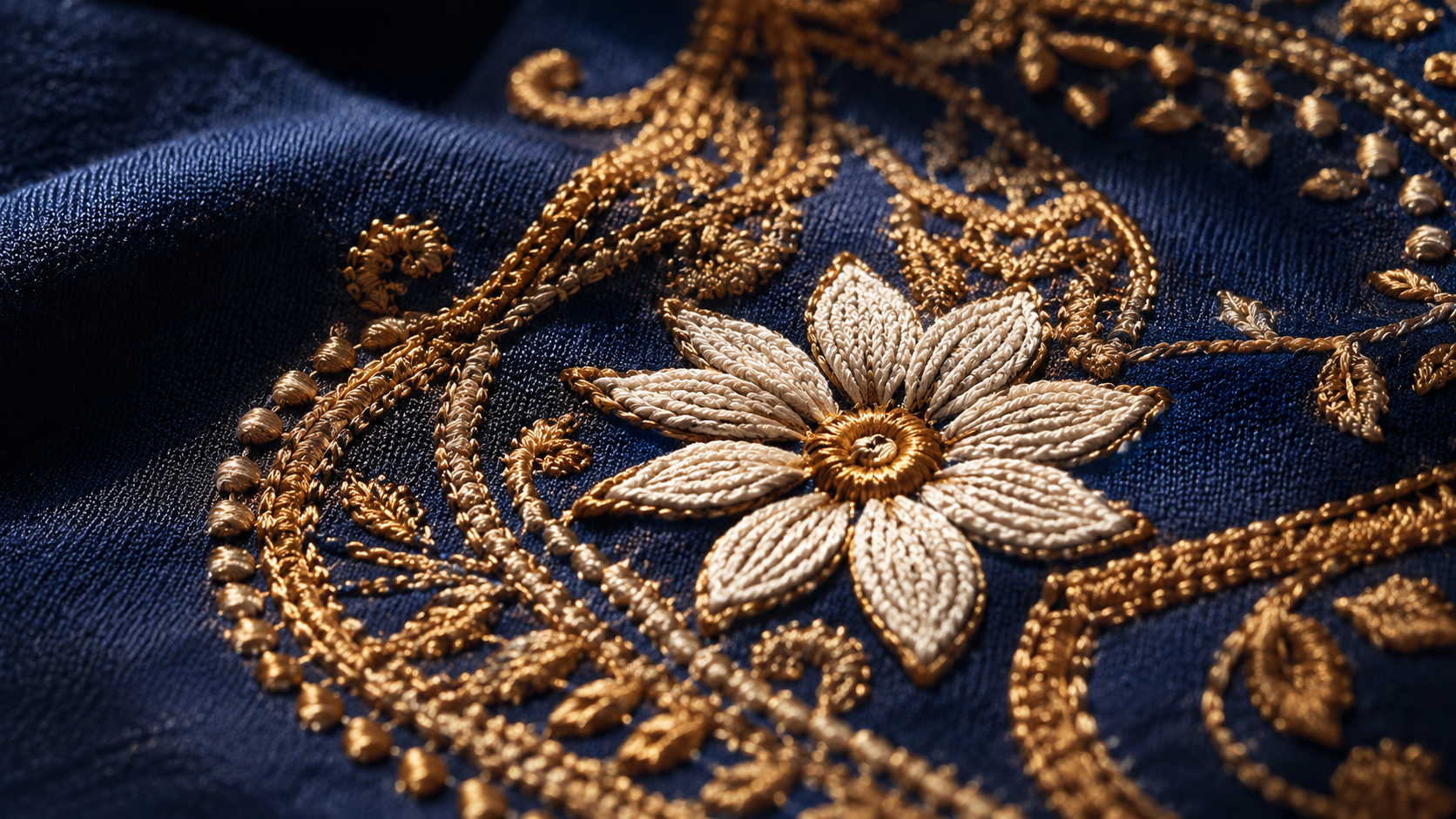
Machine embroidery is fundamentally different. Instead of applying something to the surface of the fabric, a needle stitches thread directly through the fabric weave. The design is created by thousands of individual stitches interlocked with the cotton fibres themselves.
The result is a design that is structurally part of the garment. It cannot peel. It cannot crack. It does not sit on top of the fabric — it is woven into it. Premium embroidery uses fade-resistant polyester threads that maintain colour through years of washing without the brittleness of dyed ink.
The 30-Wash Test — What Actually Happens
Here is how embroidery and printing compare after consistent wear and washing:
| Factor | Screen Printing | Machine Embroidery |
|---|---|---|
| After 10 washes | Slight softening of edges | No visible change |
| After 20 washes | Micro-cracks visible on close inspection | No visible change |
| After 30 washes | Clear cracking, colour fade on edges | Thread intact, colour holding |
| After 50+ washes | Significant peeling and fading | Design remains clean and vibrant |
| Texture feel | Becomes rough / flaky over time | Soft texture consistent over time |
| Breathability | Reduces — print blocks airflow | No change — stitching allows airflow |
Heat Transfer Printing — Even Shorter Lifespan
Heat transfer (also called DTF or vinyl transfer) is even more surface-level than screen printing. A design is transferred to the fabric using heat and pressure. It produces photographic-quality detail, which is why many brands use it for complex multi-colour graphics.
But it peels faster than screen printing — often within 10–15 washes in India's heat and humidity. The transfer layer has limited adhesion once the fabric has been repeatedly wet, dried, and exposed to high temperatures.
Why Embroidery Costs More — and Why It Is Worth It
A good machine embroidery design on a t-shirt requires digitising the artwork, programming the embroidery machine, and running anywhere from 5,000 to 20,000 individual stitches depending on design complexity. The thread cost, machine time, and skill involved are significantly higher than printing a design in ink.
But the math works in favour of embroidery over a 2–3 year period. A printed t-shirt bought for ₹500 that fades in 6 months costs more per wear than an embroidered t-shirt bought for ₹999 that still looks sharp after two years.
Which Should You Buy?
If you are buying a t-shirt to wear twice and discard, screen printing is fine. If you are buying a t-shirt that you want to wear consistently, look sharp in, and pass the test of the Indian washing machine and summer heat — embroidery is the only choice that makes long-term sense.
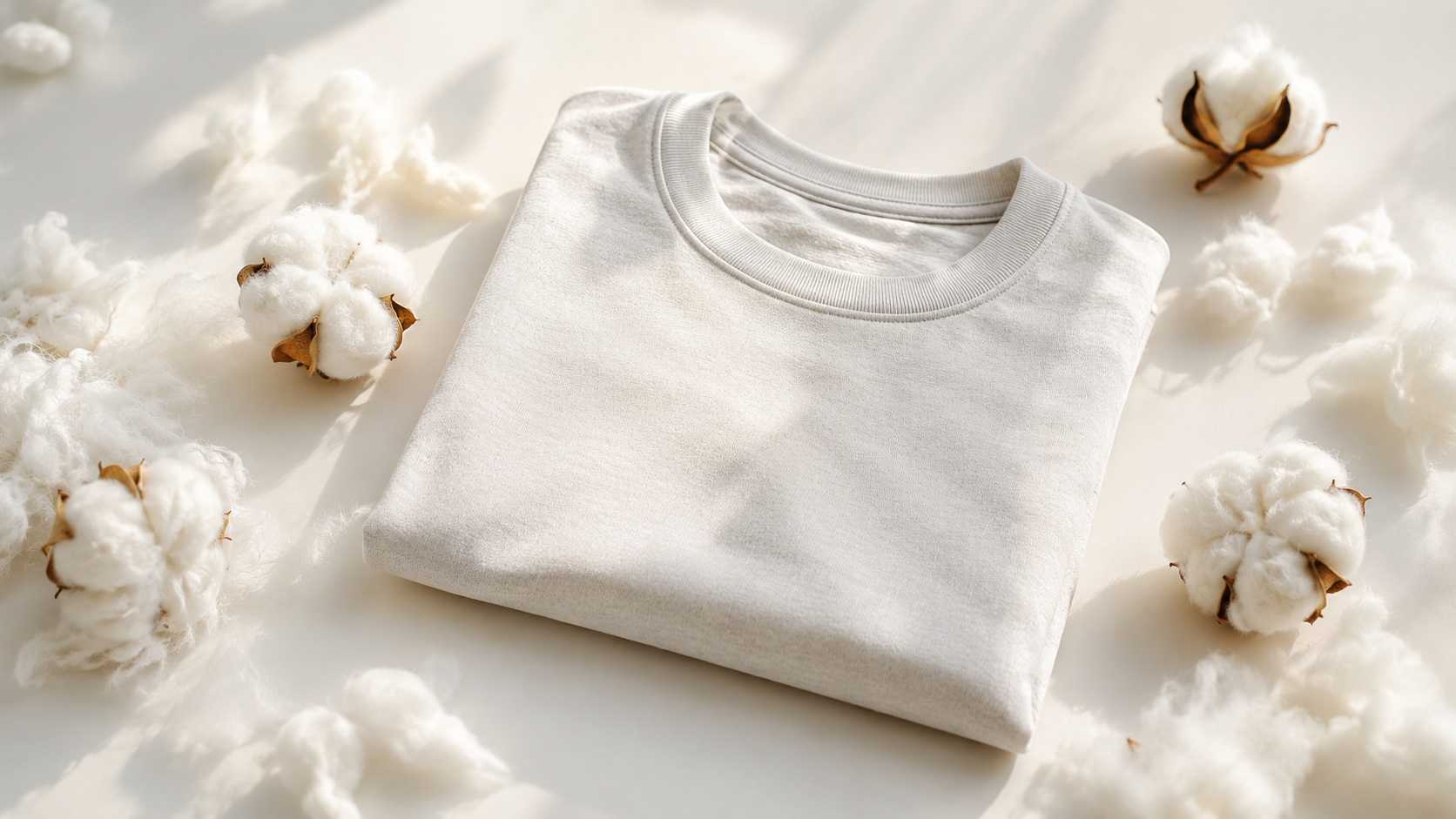
At Luxureign, every t-shirt is machine embroidered with fade-resistant threads on 100% pure cotton fabric. The difference is visible from the first wash, and permanent through every wash that follows. Browse our embroidered t-shirt collection and see the difference craftsmanship makes.